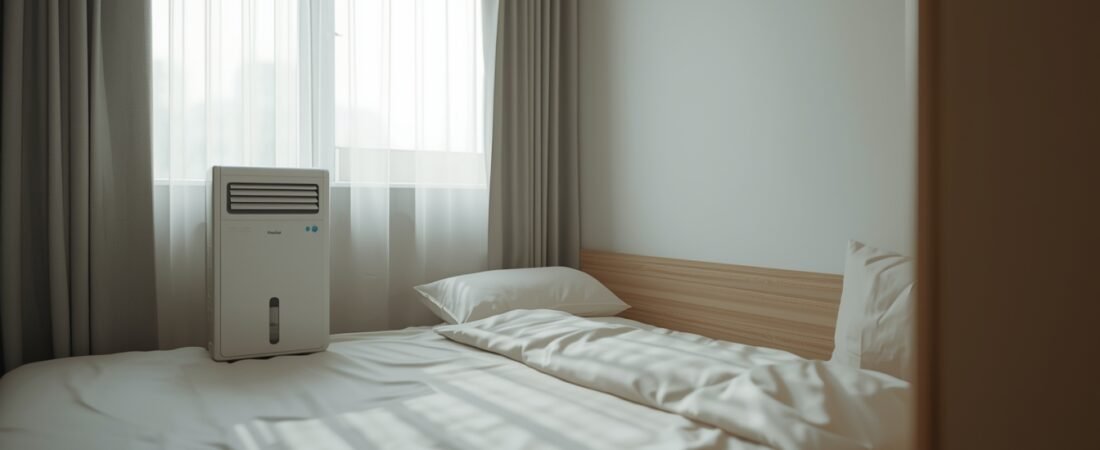
Dorm rooms create a unique cooling challenge because the space is small, floor area is limited, and setup flexibility is often restricted. A portable air conditioner can still make sense, but only if the unit fits the room and the installation conditions. This guide covers what matters most for dorm-style spaces, including compact size, manageable noise, and a setup that feels realistic in a shared or tightly arranged room.
Why dorm rooms are different
Dorm rooms usually combine sleeping, study, and storage in one compact layout. That means every appliance competes for floor space. In most cases, a unit that looks reasonable in a product photo can feel far larger once it is placed near a bed and desk.
What to prioritize first
Compact size, easier setup, and moderate noise usually matter more than chasing the largest capacity possible. Many people find that a slightly smaller, easier-to-live-with unit is the better fit for a dorm-like room.
How layout changes the decision
The bed, desk, and walking space all affect where the unit can go. A common issue is realizing too late that the exhaust path is awkward or that the machine blocks a usable part of the room.
When a portable AC makes sense in this setting
It makes the most sense when the room gets genuinely hot, the setup is allowed, and there is a workable exhaust route. This typically applies to private accommodation, student apartments, or small bedrooms being used in a dorm-style way.
What to avoid
Avoid oversized units and any setup that becomes too disruptive for daily use. In a compact room, convenience matters almost as much as cooling.
Bottom line
For most small-room buyers, the best result comes from matching the unit and setup to the real room conditions rather than relying on a single spec or marketing claim. A common issue is treating all small rooms as identical. They are not. When the room size, heat load, and venting setup are all considered together, portable air conditioner decisions become much easier and much more practical.