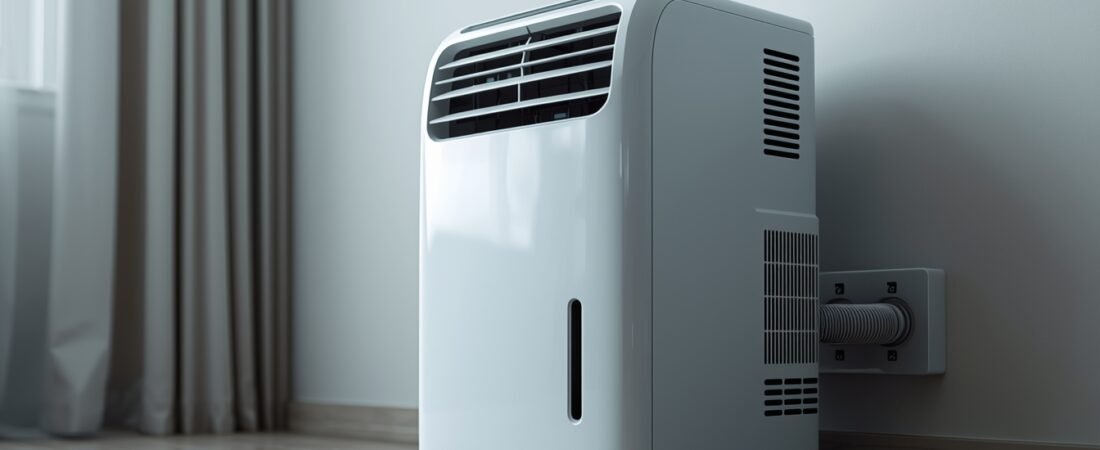
The BLACK+DECKER BPACT portable air conditioner line is one of the most common series people see when shopping for small-room cooling. The challenge is that the models can look similar at first glance, while their cooling capacity, room suitability, and overall fit can be quite different. This comparison gives a simple overview of the BPACT range, what changes from one model to another, and how to think about size, noise, and room use before choosing one.
What the BPACT series covers
The BPACT line typically includes portable air conditioners aimed at bedrooms, apartments, and small living areas. Some models target smaller rooms, while others are intended for larger spaces. A common issue is choosing based on model familiarity rather than room size. That usually leads to disappointment, especially when the unit is undersized.
Why size differences matter
Even within the same series, a small jump in cooling capacity can change where a model works best. For a compact bedroom, a lower-capacity model may be enough. For a studio or a warmer living area, stepping up can make more sense. This typically happens when the room gets direct sun, has poor insulation, or opens into other spaces.
What to compare besides BTU rating
Noise level, drainage approach, exhaust setup, and physical size all matter. Many people focus only on headline capacity, but portability and everyday use also affect satisfaction. A larger unit may cool better, yet take up more floor space and create more noticeable sound in a small room.
Who the smaller BPACT models usually suit
Lower-capacity BPACT models are generally a better fit for compact bedrooms, small offices, and limited apartment spaces where floor area is tight. They often appeal to renters who want a straightforward setup without moving up to a bulkier machine.
Who the larger BPACT models usually suit
Higher-capacity models make more sense when the room is warmer, more open, or closer to the upper end of what a portable AC can cool. In most homes, this means large bedrooms, open studio layouts, or living areas that would overwhelm a smaller portable unit.
Bottom line
For most small-room buyers, the best result comes from matching the unit and setup to the real room conditions rather than relying on a single spec or marketing claim. A common issue is treating all small rooms as identical. They are not. When the room size, heat load, and venting setup are all considered together, portable air conditioner decisions become much easier and much more practical.