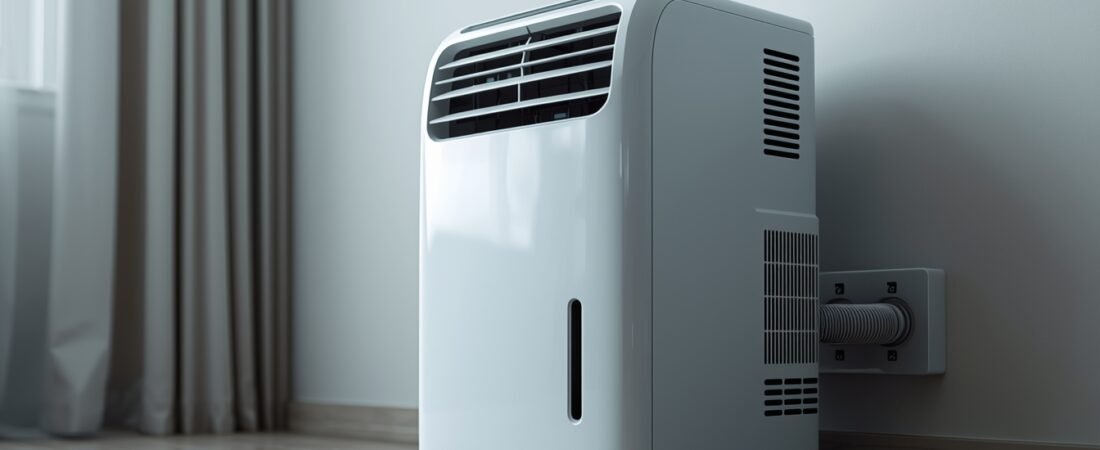
Many people trying to cool a small room end up comparing a basic fan with a portable air conditioner. Both can improve comfort, but they solve different problems. A fan moves existing air, while a portable air conditioner removes heat from the space. In most homes, that difference becomes obvious during hot afternoons, upstairs bedroom use, or in apartments that trap heat. This guide explains how each option works, when each one makes sense, and how to choose the better fit for a small room without overspending.
How a fan changes comfort
A fan does not lower the actual temperature of a room. Instead, it creates airflow across the skin, which can make the room feel cooler. This works best when temperatures are moderate and humidity is not extreme. A common issue is assuming that stronger airflow equals true cooling. It does not. Once a room becomes hot and stagnant, a fan often reaches its limit quickly.
How a portable air conditioner cools a room
A portable air conditioner actively removes heat from the room and expels it through an exhaust hose. That means it can reduce the actual room temperature instead of only improving perceived comfort. Many people find that this is the main reason a portable AC becomes worthwhile in bedrooms, offices, and small apartments where heat builds up day after day.
Where fans usually work well
Fans are often enough when the room gets warm but not excessively hot, when the user only needs temporary comfort, or when overnight temperatures fall naturally. They are also inexpensive to buy and run. In a shaded room or mild climate, a fan may be all that is needed for part of the year.
Where portable AC units have the advantage
Portable AC units make more sense when the room stays hot for long periods, when sleep quality is affected, or when work productivity drops because the space feels stuffy. This typically happens in upstairs bedrooms, enclosed home offices, and small rental spaces with poor airflow. In those situations, actual temperature reduction matters more than air movement alone.
Cost, noise, and energy trade-offs
Fans are cheaper to purchase, cheaper to run, and usually quieter. Portable air conditioners cost more and use more electricity, but they offer temperature control that a fan cannot match. For many small-room setups, the choice comes down to whether the goal is mild comfort improvement or real heat removal.
Bottom line
For most small-room buyers, the best result comes from matching the unit and setup to the real room conditions rather than relying on a single spec or marketing claim. A common issue is treating all small rooms as identical. They are not. When the room size, heat load, and venting setup are all considered together, portable air conditioner decisions become much easier and much more practical.