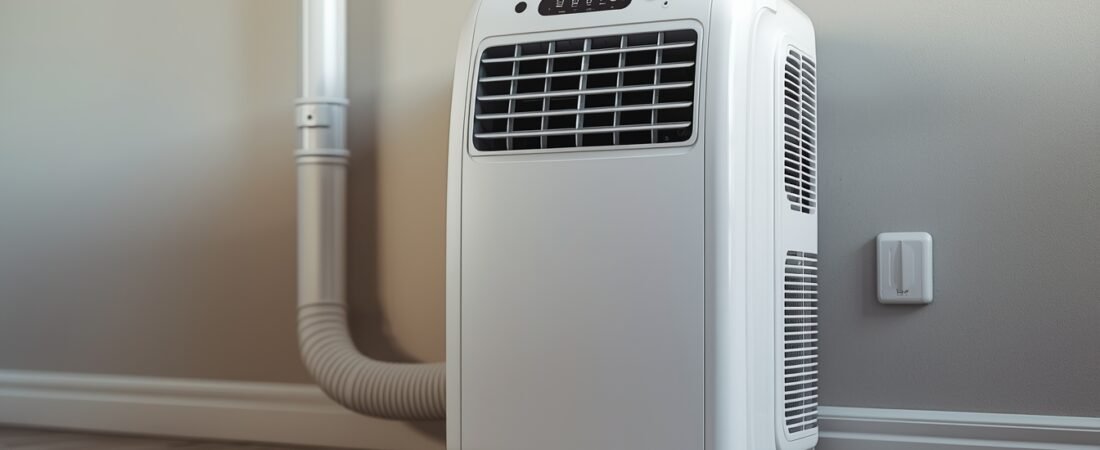
Midea portable air conditioners are often shortlisted by people looking for practical cooling in bedrooms, apartments, and small living areas. Instead of focusing on a single unit, this overview looks at the range more broadly. The goal is to explain what Midea models are generally known for, where they tend to fit well, and what buyers should think about before narrowing down to a specific model for a small room.
Where Midea models tend to fit best
Midea portable air conditioners are usually aimed at everyday residential use. In most homes, they are considered for bedrooms, studios, home offices, and apartment living areas where window AC installation is not ideal. Their main appeal is usually a balance of cooling performance and mainstream features.
What many buyers compare first
Most people start by comparing cooling capacity, room size suitability, and ease of setup. That is the right place to start. A common issue is jumping straight to brand preference without checking whether the unit matches the room. Even a well-regarded model will disappoint if the space is too large or poorly insulated.
Features that matter in daily use
Drainage, fan modes, portability, and how bulky the unit feels in the room matter more than they seem at first. Many people find that a model which looks good on paper still needs to fit the everyday reality of a small space, especially in apartments where floor area is limited.
When a Midea model makes sense
A Midea portable air conditioner can make sense when the user needs practical cooling in a standard residential room and wants a familiar mainstream option. That often applies to bedrooms, renters, and small-room buyers who want a straightforward setup.
How to narrow down from the overview
The best next step is to match room size, noise tolerance, and installation needs to a specific Midea model. Looking at the overview first helps avoid choosing purely on brand recognition and keeps the focus on room fit and real-world use.
Bottom line
For most small-room buyers, the best result comes from matching the unit and setup to the real room conditions rather than relying on a single spec or marketing claim. A common issue is treating all small rooms as identical. They are not. When the room size, heat load, and venting setup are all considered together, portable air conditioner decisions become much easier and much more practical.